ayaan retiwala · platform engineer · open to work

i build systems
from the machine up.

for three years i built a public cloud from the hypervisor up — QEMU/KVM, SPDK, Kubernetes, identity, DNS — and spent most of that time on the parts that fail.

selected work ↓

three years building and running Excloud's core platform with Arjun, its founder — from hosts and storage up to the APIs and tools customers used.

Excloud

platform engineer

most of it was not happy-path provisioning. it was recovery: reconciling partial state, making attach/detach/resize idempotent, cleaning up failed transitions, and debugging protocol-level failures in production.

compute
the Go control plane over QEMU/KVM: VM lifecycle APIs, rescue boot, volume attach and reap, subnet operations, bare-metal host setup, and reconciliation after failed transitions.
block storage
the storage engine on SPDK and NVMe-oF with the VFIO-user path into QEMU guests. A reconciler converges database intent against live bdev, lvol and RAID state, so a crash mid-provision recovers instead of orphaning volumes.
kubernetes
managed clusters end to end: control-plane and worker bootstrap, OIDC and JWKS, short-lived join credentials, Cilium and CoreDNS, a CSI driver with attach, mount, resize and failover, and a Karpenter cloud provider.
identity / objects
the identity and account plane — IMDS tokens, Valkey-backed caching, IAM authorization, encrypted secrets — and the S3-compatible object storage API with multipart uploads, presigned URLs and SigV4 checksums.
managed data
Postgres and Kafka/Streams orchestrated on the compute and DNS control planes: node lifecycle, replicas, broker provisioning, topics, users and ACLs.
networking
an AF_PACKET ARP/NDP proxy with BPF filtering, VLAN handling, rate limits, GARP and IPv6 DAD, plus authoritative DNS with AXFR, IXFR, TSIG and weighted records.
the shared layer
the Go foundation the services are built on: an HTTP framework deriving OpenAPI 3.1 from Go types by reflection, a typed error taxonomy, domain types and OpenTelemetry middleware — used by every service on the platform.
api to client
a generation pipeline from OpenAPI 3.1 across eight services, feeding the SDK, a 20-group CLI, and a Terraform provider with 30 resources and 13 data sources.
console / delivery
the Next.js console for compute, buckets, Streams, secrets, billing and security groups, with an authenticated instance terminal over Xterm and WebSockets. Plus Firecracker-based ephemeral CI runners on owned hardware, usage-based billing, and the docs site.
live migration
the disk migration tool rebuilt around resumable sender and receiver sessions with checkpointing, pinned per-session TLS, heartbeats and idempotent thaw recovery.

GoCTypeScriptSwiftPythonKubernetesQEMU/KVMFirecrackerSPDKNVMe-oFVFIO-userCSIKarpenterLinuxPostgreSQLValkeyClickHouseKafkaOpenTelemetryOpenAPI 3.1TerraformNext.jsReactElectronDNSHTTP/2TLS

at handover, aug 20264,000+ accounts380 active VMs140 managed Postgres clusters20+ internal services

a few things i built outside work.

DBConsole

electron · postgres

a Postgres workbench for web and macOS with streaming query results, schema graphs, destructive-query checks, history, and encrypted query sync.

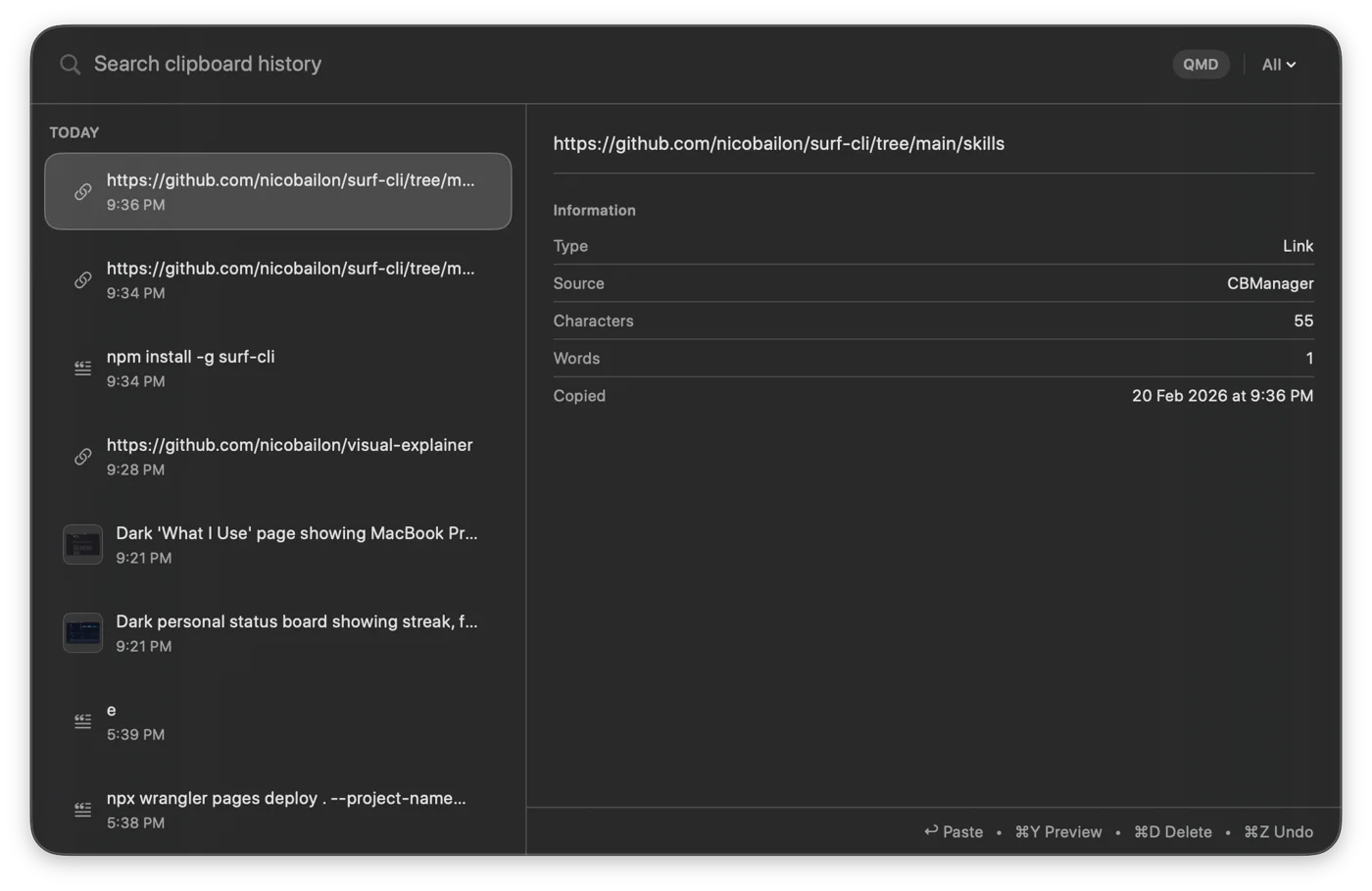
CBManager

swift · appkit · sqlite · vision

a native macOS clipboard manager with instant paste-back, OCR for copied images, local search, and SQLite persistence.

Rig

react · fastify · websockets

a mobile-first console for starting and controlling coding-agent sessions on my machines, with live tool-call streaming and resume/stop controls.

Tachyon

pwa · offline-first

an offline-first manga reader with downloads, auto-scroll, source adapters, AniList sync, and tests around async state and race conditions.

more projects, experiments, and unfinished stuff are on GitHub.